How to make Facebook ads for beauty and skincare with AI
Beauty and skincare ads on Facebook work when they show the product and its texture clearly, name one result the customer wants, and make that result believable. Strong static beauty ads usually rely on a texture close-up, a routine shot or a real review, built at 4:5 with a short headline in the top third.
Beauty also carries more rules than most categories. Before-and-after images, filtered skin and copy that comments on the viewer's appearance are common reasons for rejection, so settle the angle before you design anything.
Mockingbird remakes winning beauty ads in your brand. Paste your website and it pulls in your brand name, colours and real product photos, and writes a voice profile from your site. Pick an ad from the library, press remake, and get the same layout with your bottle, jar or palette in it. To adjust a remake, type a note such as 'Keep the layout, show the serum texture' and you get a new version.
34 winning beauty and skincare ads in the Mockingbird library, each approved by hand. A few of them:
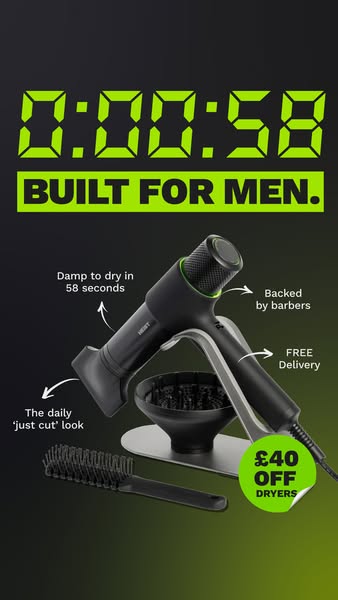
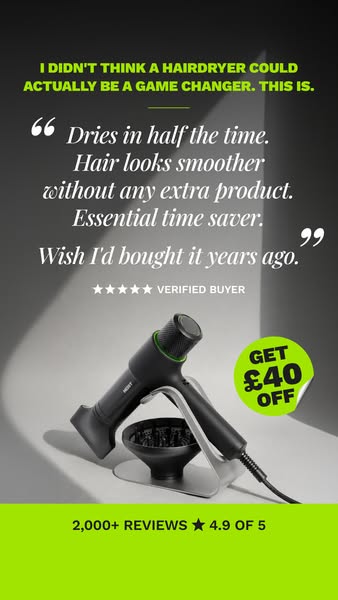
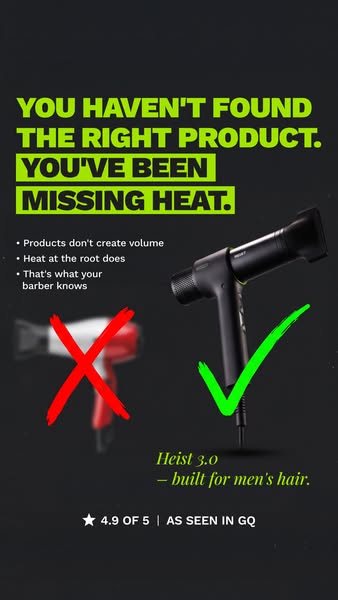
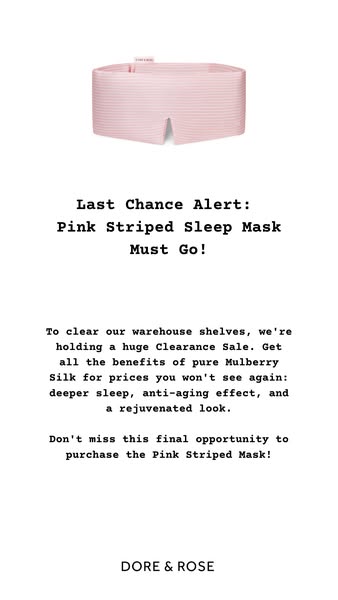
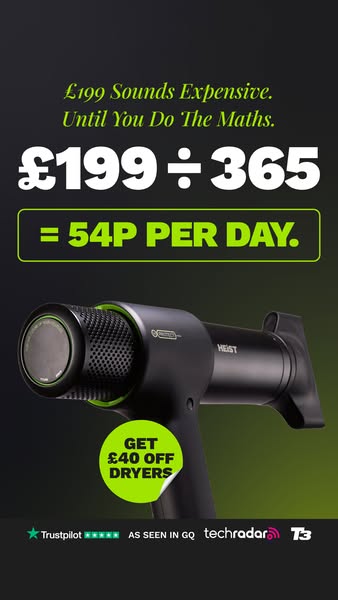
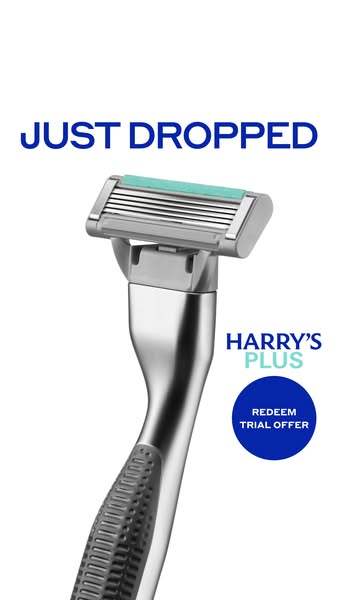
Ad angles that work for beauty and skincare
- Demonstration
- Show the product doing its job: a swatch across the back of a hand, a drop of serum falling from the pipette, a cleanser foaming in the palm. A texture shot makes the point without a written claim, which helps in a category where claims get close scrutiny.
- Problem
- Describe the situation, not the viewer's face. 'For skin that feels tight after cleansing' names a problem your customer recognises. 'Is your skin dull and ageing?' comments on how they look, which Meta's standards discourage.
- Social proof
- Use real reviews and customer photos, with permission. A lipstick brand can set a customer's own unfiltered photo beside the shade name and a line from their review.
- Comparison
- Compare routines or formats rather than naming a rival brand. 'One balm instead of three products', with three generic, unbranded bottles beside yours, makes the point without a trademark problem.
- Identity
- Talk to the person the product is for, in terms they use about themselves. A fragrance-free range might run 'For people who read the ingredients list first' over the bottle and its short ingredients panel.
Before-and-after, filters and Meta's rules for beauty ads
Meta's standards on personal health and appearance restrict before-and-after images for some products and reject ads that try to make people feel bad about how they look. The rules differ by product type and change over time, so check Meta's current advertising standards before you build a before-and-after concept.
Filters are a separate trap. The UK's Advertising Standards Authority has ruled against beauty ads that used social media filters to exaggerate a product's effect. Show the product on unfiltered skin and let the texture shot carry the claim.
Wording needs care too. 'Reduces the look of fine lines' describes a cosmetic effect. 'Repairs damaged skin' or 'treats eczema' reads as a medicinal claim, which a cosmetic cannot make.
Creative habits for beauty brands
A few habits make beauty ads easier to trust at feed size:
Show the real shade. Buyers compare the ad with what arrives, and a shade that is off leads to returns.
Crop close. Texture, finish and packaging details read better tight than in a wide flat lay.
Keep the text short and let the product and its texture carry the ad.
Give each product its own ad rather than lining up the whole range.
Frequently asked questions
- Can I use before-and-after photos in beauty ads on Facebook?
- Sometimes. Meta restricts before-and-after images for some products and rejects images that show unlikely results, and the rules differ by product. Check Meta's current standards, and never retouch the after photo.
- How do I make Facebook ads for a skincare brand?
- Choose one concern or result per ad, show the real product and its texture, and word the claim as a cosmetic effect. Build it at 4:5 for the feed and test several hooks at once.
- Will an AI ad generator get my shade or packaging wrong?
- It can when a tool generates the product from a text description. Mockingbird uses the real product photos from your website, so the bottle, label and shade in the ad come from your own images. Check each ad against the product before it runs.
- Which hook types work for beauty ads?
- Demonstration and social proof hooks suit beauty because they show the result without a strong written claim. Problem, comparison and identity hooks are worth testing with new audiences.
- Can I use customer photos in my beauty ads?
- Yes, with the customer's permission, and without editing their skin. Keep a record of that permission in case a platform or regulator asks for it.
Keep reading
How to design a Facebook ad image that converts
Hierarchy, contrast, text on image, product placement, and the phone-first checks.
The six types of static ads every ecommerce brand should be running
Hero, offer, trust, features, transformation, lifestyle: what each does and when to run it.
Stories and Reels safe zone checker
See which parts of a 9:16 ad the app will cover.