How to make Facebook ads for supplements with AI
To make Facebook ads for supplements, lead with one benefit your customer can feel, show the real bottle or tub clearly, and keep every claim within what you can prove. The supplement ads that keep running on Meta are usually plain: a named problem, the product, and one reason to believe it, built as a 4:5 static image for the feed.
Most of the work sits in the angle and the wording, because a single health claim can get a supplement ad rejected. Start from an ad structure that already works in the category, then write the claim yourself and check it.
Mockingbird is an AI ad generator for Meta static image ads. Paste your website and it pulls in your brand name, colours and real product photos, and reads your site to write a voice profile. Pick a winning supplement ad from the hand-approved library, press remake, and you get the same layout rebuilt with your product, colours and words, ready to upload to Ads Manager.
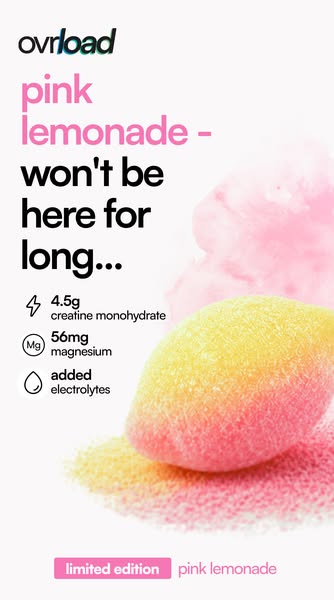
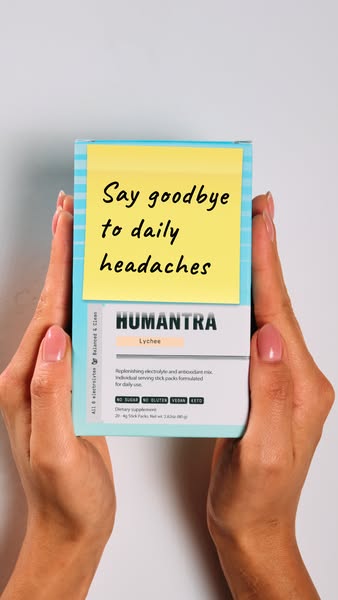
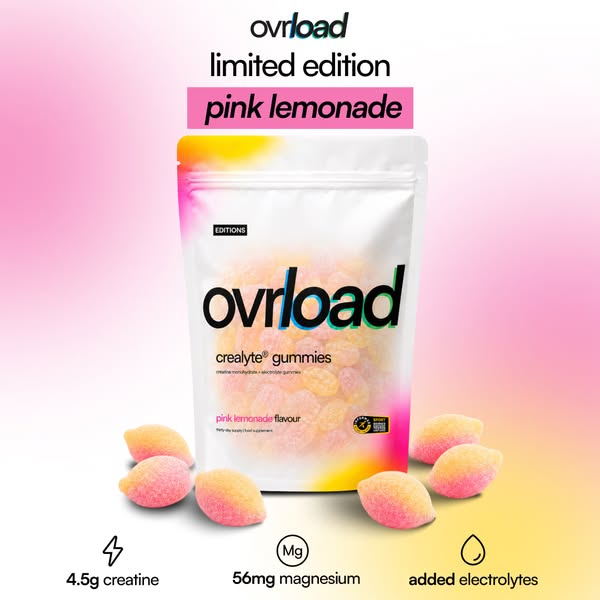
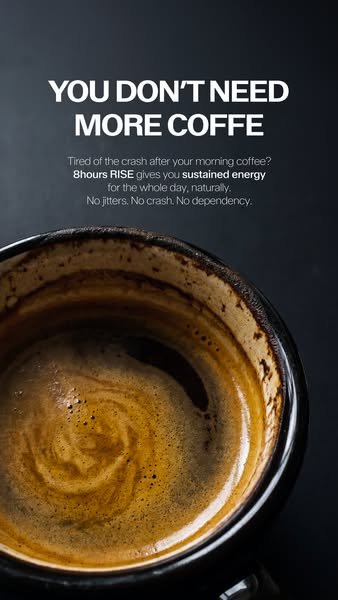
192 winning supplements ads in the Mockingbird library, each approved by hand. A few of them:
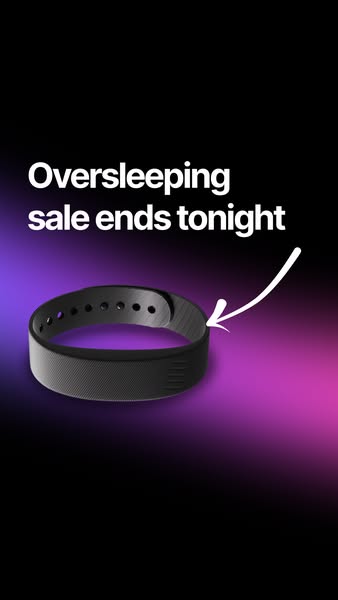
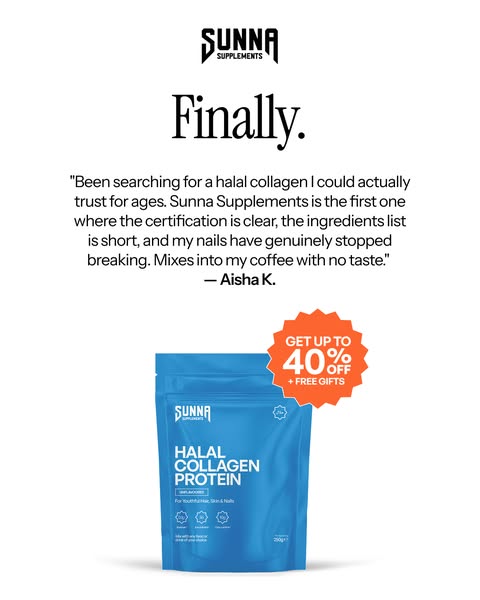
Ad angles that work for supplements
- Problem
- Name the situation your customer wants to change, then show the product as the answer. A sleep supplement might run 'For nights your brain won't switch off' over the bottle on a bedside table. Describe the situation, not the person.
- Demonstration
- Show what is inside and how people take it. A greens powder brand can show one scoop going into a glass of water, label facing the camera, with a short line on what the scoop contains. The ad answers 'what is it and how do I take it' before anyone asks.
- Social proof
- Put a real review on the image, in the customer's words, with the star rating from your own store. Choose reviews about taste, routine or service rather than a health result.
- Comparison
- Set the product against what the customer uses now. A protein brand might show its tub beside a pile of snack bars, with the protein and sugar per serving printed under each and taken from the labels. Only compare figures you can show on the pack.
- Authority
- Lead with who formulated the product or how you test it, such as independent batch testing or a qualified nutritionist on the team, and only when that is true.
Health claims and Meta's rules for supplements
Meta's advertising standards restrict ads for health products, prohibit some supplements and ingredients outright, and reject copy that implies the viewer has a particular health condition. 'Are you always tired?' assumes something about the viewer. 'For busy mornings' describes a moment instead. Meta updates these rules, so read its current advertising standards before you launch.
The law applies on top of Meta's rules. In the UK, health claims for food supplements generally have to match wording on the authorised register of nutrition and health claims, and the Advertising Standards Authority enforces the advertising code. In the US, supplements cannot claim to treat, cure or prevent a disease, and the Federal Trade Commission expects claims to be backed by evidence. If you are unsure whether a line counts as a health claim, treat it as one and check it.
Creative that works for supplements
These habits apply to almost every supplement ad:
Show the real label. Buyers check the pack for ingredients and dose, and a made-up bottle looks untrustworthy.
Sell one benefit per ad. Sleep, energy and digestion are separate ads.
Make the routine visible, such as one capsule with breakfast or one scoop in water.
Test the same product across several hooks before you change the offer or the audience.
Making supplement ads with Mockingbird
Filter the library to health supplements and a hook type, heart the ads that suit your product, and remake them. If a headline goes further than your evidence allows, type a note with your approved claim wording and you get a new version. Whichever tool makes the ad, you are responsible for its claims, so read every headline before it goes live.
Frequently asked questions
- Can an AI ad generator make supplement ads?
- Yes, as long as it uses your real product photos and you check every claim before the ad runs. Mockingbird remakes winning supplement ads with your own bottle or tub, colours and brand voice.
- How do I make Facebook ads for a supplement brand?
- Pick one benefit, show the real product, and keep the claim within what you can prove. Build the ad at 1080 by 1350 pixels (4:5) for the feed, test several hooks against each other, and keep the winners.
- Why do supplement ads get rejected on Meta?
- Common reasons are copy that implies the viewer has a health condition, claims that a product treats or cures something, unrealistic results, and ingredients Meta does not allow. Meta shows the reason for a rejection in Account Quality, and its current advertising standards set out the rules.
- Can I use customer reviews in supplement ads?
- Yes, if the review is real and you have permission to use it. Regulators generally treat a review that describes a health result as a claim you are making, so choose reviews about taste, routine or service unless you can back up what the customer said.
- Which hook types work best for supplements?
- For cold audiences, start with problem and demonstration hooks. For people who already know the brand, social proof and comparison hooks tend to do more.
Keep reading
Meta ad hooks: the hook types that stop the scroll, with examples
Twelve hook types that stop the scroll, with templates you can adapt.
How to write Facebook ad copy that converts
Primary text, headline and CTA: what each field is for and how to write them.
Ad copy length checker
Character counts and a feed preview for your ad copy.