How to make Facebook ads for fitness and wellness brands with AI
Fitness and wellness ads on Facebook work when they show a realistic routine, a product or programme the viewer can picture using, and one outcome they care about, without promising a particular body. The static ads that last in this category tend to lead with a relatable moment or a clear demonstration rather than a dramatic transformation.
That is partly taste and partly policy. Meta restricts some of the images and copy fitness brands reach for first, such as before-and-after photos and body-focused headlines, so the angle has to work inside those limits.
Mockingbird remakes winning fitness and wellness ads in your brand. Paste your website and it pulls in your brand name, colours and real product photos, and writes a voice profile that every headline follows. Pick an ad from the library, press remake, and you get the same layout with your product in it, ready to upload.
12 winning fitness and wellness ads in the Mockingbird library, each approved by hand. A few of them:
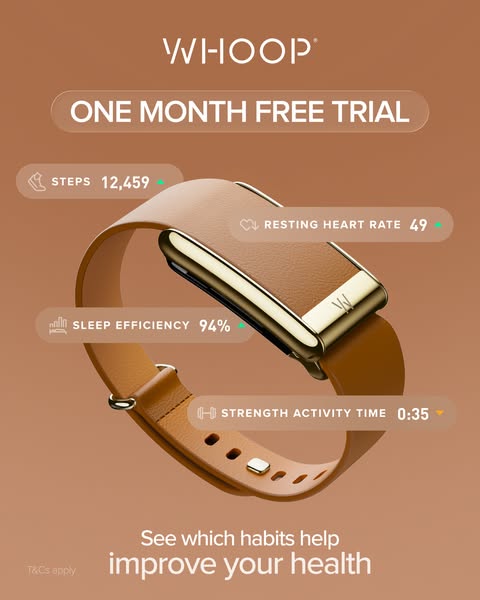

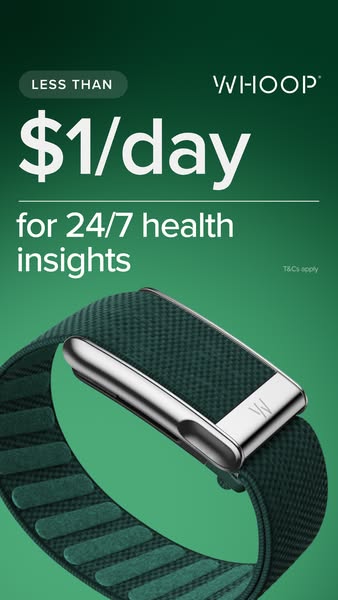
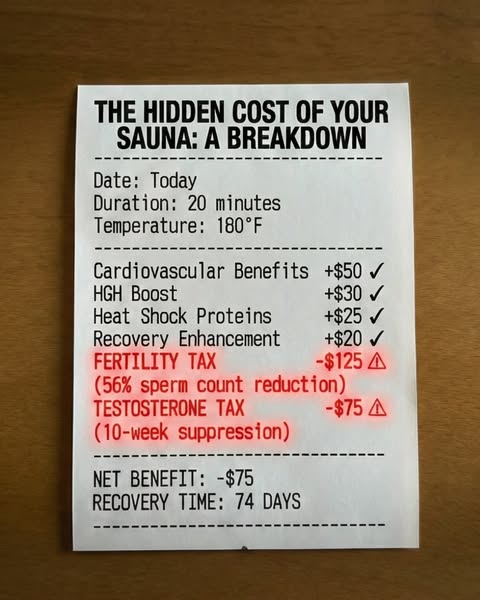
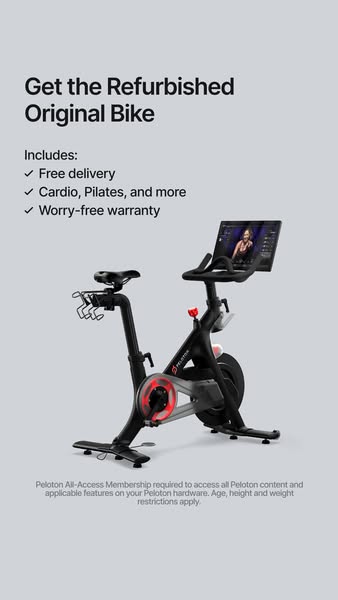

Ad angles that work for fitness and wellness
- Problem
- Name the obstacle, not the body. 'No time for the gym before work?' is about a schedule. A headline that tells the viewer to hate part of their body targets how they feel about themselves, which Meta's standards reject.
- Demonstration
- Show the product in use in a real setting: resistance bands in a small flat, a foam roller after a run, the app's workout screen propped up next to someone mid-set. The viewer sees how it fits their space and their day.
- Identity
- Speak to a type of person. A home workout app might run 'For new parents who train during nap time', which filters for the right viewer without saying anything about their body.
- Contrarian
- Disagree with a habit your product replaces. A home gym brand might run 'Skip the membership. Train in your living room.' over the kit set up in a normal lounge.
- Social proof
- Use real reviews about the experience, such as how easy the programme is to follow or how the kit has held up, rather than weight lost. A results testimonial in an ad is a claim you are making.
- Authority
- A qualified coach, physiotherapist or registered dietitian behind the product is a strong opener, as long as the credential is real and you describe it accurately.
Meta's rules on body image, weight loss and health
Meta's standards on personal health and appearance cover weight loss, fitness and cosmetic products. In general terms they restrict before-and-after images, close-ups of body parts used to show a result, and copy that makes people feel bad about their bodies, and Meta limits some weight loss ads to adults. The details change, so read Meta's current advertising standards before you build a concept around a physical result.
Also avoid copy that implies you know the viewer's health. 'Lost weight but still tired?' assumes something about them. 'For weeks when training slips' describes a situation instead. Medical claims, such as easing a condition or pain, need evidence and can bring a product under medical rules.
Creative that works for fitness brands
Four habits separate fitness ads people act on from ads they scroll past:
Show realistic people and settings. A normal living room reads as achievable in a way a professional studio does not.
Sell the routine: how long it takes, where you do it and what you need.
Put the product in the frame. Plenty of fitness ads show a person and forget the band, app or shaker they are selling.
Test one outcome per ad, such as energy, consistency or strength, instead of listing them all.
Frequently asked questions
- Can fitness ads use before-and-after photos on Facebook?
- Meta restricts before-and-after images for weight loss and appearance products, and the rules change. Build your ads around routines, demonstrations and reviews of the experience, and check Meta's current standards before you run any transformation image.
- How do I make Facebook ads for a fitness brand?
- Lead with one obstacle or outcome, show the product in use in a realistic setting, and avoid body-focused wording. Build the ad at 4:5 for the feed and test several hooks at once.
- Why was my fitness ad rejected by Meta?
- Common reasons include before-and-after images, copy that implies the viewer is overweight or unhealthy, unrealistic results and medical claims. Meta shows the reason for each rejection in Account Quality, and you can request a review if you think it got the decision wrong.
- Does Mockingbird work for fitness apps and memberships?
- Mockingbird makes static image ads for Meta from the product images, colours and voice on your website. That covers equipment, apps and memberships, as long as your site shows what you sell.
- Which hook types suit fitness ads?
- Problem, demonstration, identity, contrarian, social proof and authority hooks all fit, as long as each one avoids promising a body result.
Keep reading
Meta ad hooks: the hook types that stop the scroll, with examples
Twelve hook types that stop the scroll, with templates you can adapt.
How to test Facebook ad creative: a simple framework that works
What to test first, how many variations, how to judge, and how to keep the pipeline full.
Ad copy length checker
Character counts and a feed preview for your ad copy.