How to make Facebook ads for fashion and apparel brands with AI
Fashion ads on Facebook sell when the viewer can see how the piece looks on a person, what it is made of and why it beats what they already own. Strong apparel ads pair a clear on-body or product photo with one reason to buy, such as fit, fabric, price or a new drop. Build them at 4:5 so the whole outfit fits the feed.
Apparel brands also need volume. Every colourway, drop and season needs its own creative, and a single hero image wears out as the same audience keeps seeing it.
Mockingbird remakes winning apparel ads in your brand. Paste your website and it pulls in your brand name, colours and real product photos, and writes a voice profile from your site. Pick an ad from the library, or upload one you have seen working, press remake, and get the same layout with your garment in it, ready for Ads Manager.
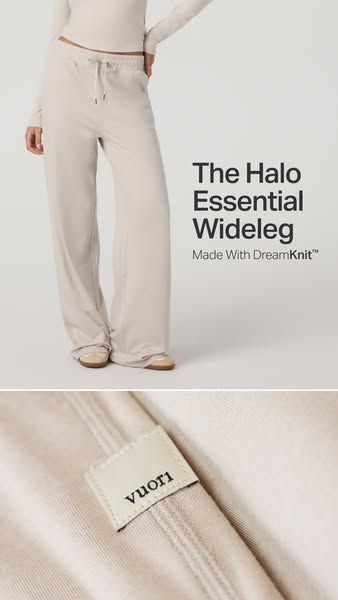
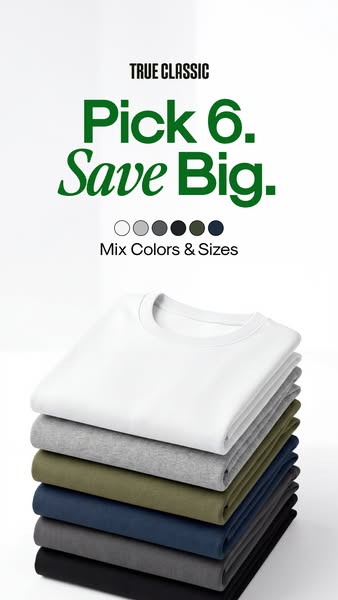
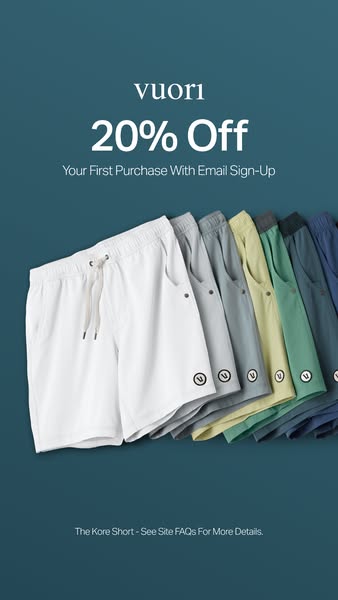
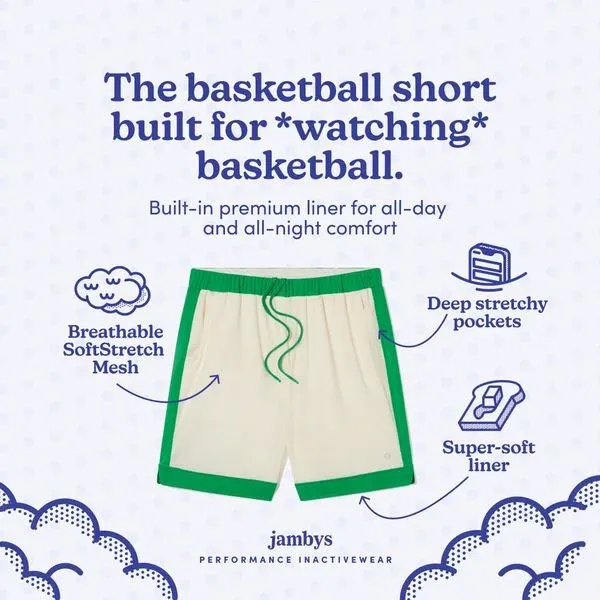
23 winning fashion and apparel ads in the Mockingbird library, each approved by hand. A few of them:
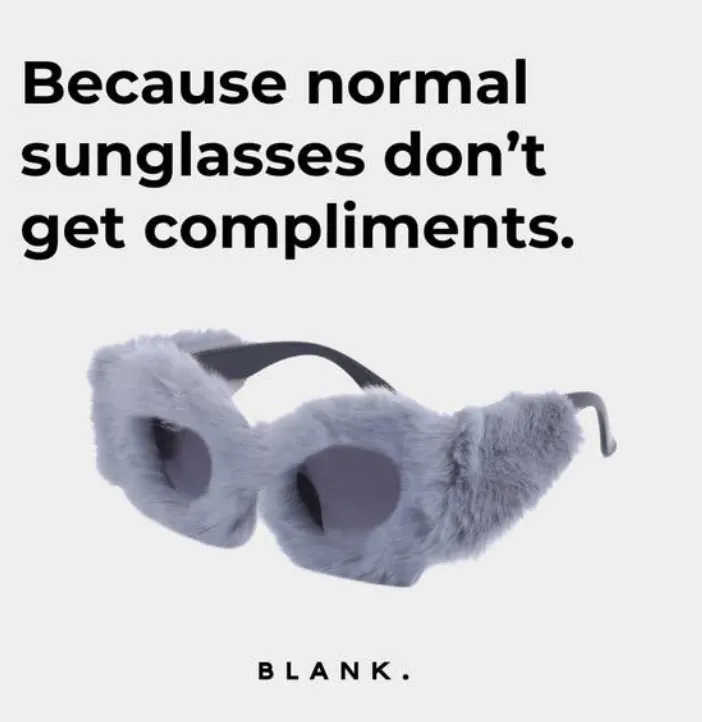
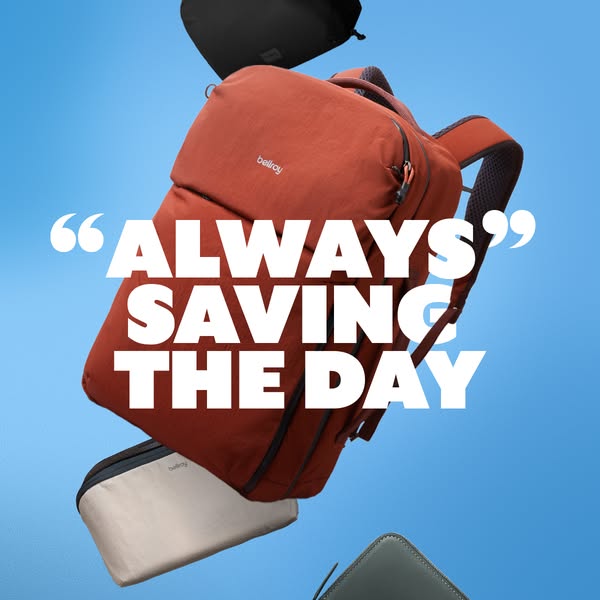
Ad angles that work for fashion and apparel
- Identity
- Clothes say something about the wearer, so speak to who wears them. A workwear brand might run 'For people who fix things for a living' over a jacket shot, which tells the right buyer the ad is for them.
- Aspiration
- Show the life the outfit belongs to. A linen brand might put the shirt on a model on a sunny terrace with a short line about summer weekends, keeping the garment large enough to read the colour and fabric.
- Demonstration
- Show the detail that justifies the price: a close-up of the stitching, the stretch of the fabric, the lining. One close-up beside the full garment answers the quality question.
- Comparison
- Compare on something the buyer can check. A basics brand can show its T-shirt next to a generic one, with the fabric weight of each printed underneath.
- Social proof
- Fit is a common worry when buying clothes online, so use real reviews about fit and sizing, with the customer's permission, beside the product photo.
- Discount
- Bundles and seasonal sales suit apparel. Lead with the offer, such as 'Any three tees for [price]', and show all three colours so the viewer sees the choice.
Showing clothes accurately
An ad that shows the wrong colour or fit invites returns. Use your real product photos, keep colours true, and show the garment on a body as well as flat where you can. If you sell a wide size range, show different body types across your ads.
Give each colourway or style its own ad instead of a grid of the whole collection. You learn which piece sells, and each ad reads clearly at feed size.
Claims and policy pitfalls in fashion
Sustainability claims need the most care. UK regulators have challenged fashion brands over vague green claims such as 'eco-friendly' and 'sustainable'. Say something specific and true, such as the fabric and where it was made, and keep the evidence.
Avoid naming other brands. 'Dupe' ads that use a designer's name or logo invite a trademark complaint, and Meta removes ads that infringe someone else's intellectual property. Swimwear and lingerie brands should also check how Meta's current advertising standards treat adult content before they shoot, since those rules decide which images can run.
Frequently asked questions
- How do I make Facebook ads for a clothing brand?
- Pick one reason to buy per ad, such as fit, fabric or an offer, and show the real garment clearly, ideally on a person. Build it at 1080 by 1350 pixels for the feed and test several angles against each other.
- Can AI make clothing ads with my real products?
- Yes. Mockingbird uses the product photos from your website, so the garment, colour and print in the ad come from your own images rather than a generated lookalike.
- Should fashion brands use static or video ads?
- Both have a place. Static ads let you test angles, colourways and offers cheaply before you spend on video. The guide to static and video ads covers the trade-offs.
- Which hook types work for apparel ads?
- Identity and aspiration hooks suit cold audiences. Social proof about fit, close-ups that demonstrate quality and a clear discount suit people who have already visited your store.
- Can I call my clothes sustainable in an ad?
- Only with a specific claim you can back up, such as the fabric and its certification. Vague claims like 'eco-friendly' draw complaints and regulator attention.
Keep reading
Static ads versus video ads: which works better on Meta
The honest trade-offs, and why most brands should start with static.
How to make ecommerce ad creative that sells
Product-ad angles that convert, and how to show your product so it sells.
Ad image size checker
Check an image against Meta's ratios and size limits.