How to make Facebook ads for online courses with AI
Facebook ads for courses and info products work when they name a specific skill or outcome, show the person teaching it, and ask for a small first step such as a free lesson, a webinar or a starter product. Strong course ads say exactly what the buyer will be able to do and stay careful about what they promise.
Courses sell a result the buyer cannot see yet, so the temptation is to promise too much. Income and results claims are a common reason course ads get rejected by Meta or challenged under consumer law.
Mockingbird remakes winning course and info product ads in your brand. Paste your website and it pulls in your brand name, colours and product images, and writes a voice profile from your site. Pick an ad from the library, press remake, and get the same layout with your course and your words in it.
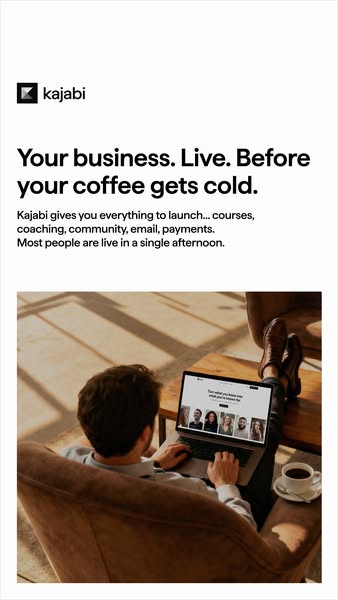
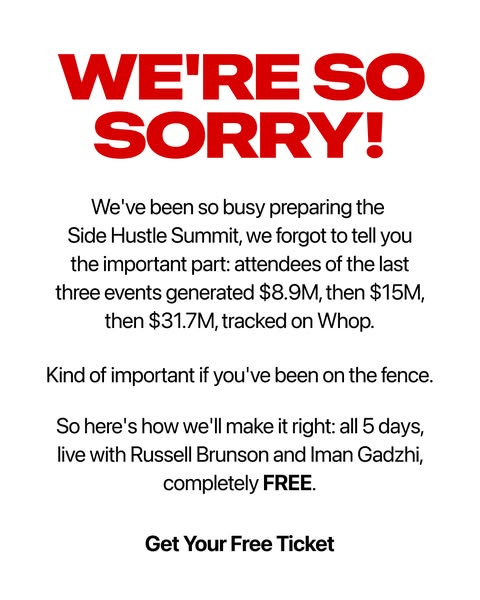
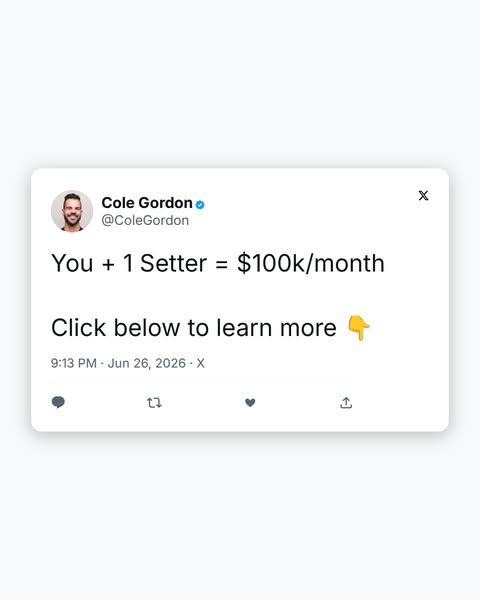
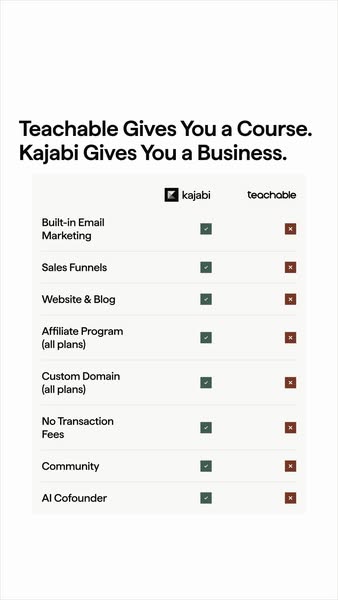
14 winning courses and info products ads in the Mockingbird library, each approved by hand. A few of them:

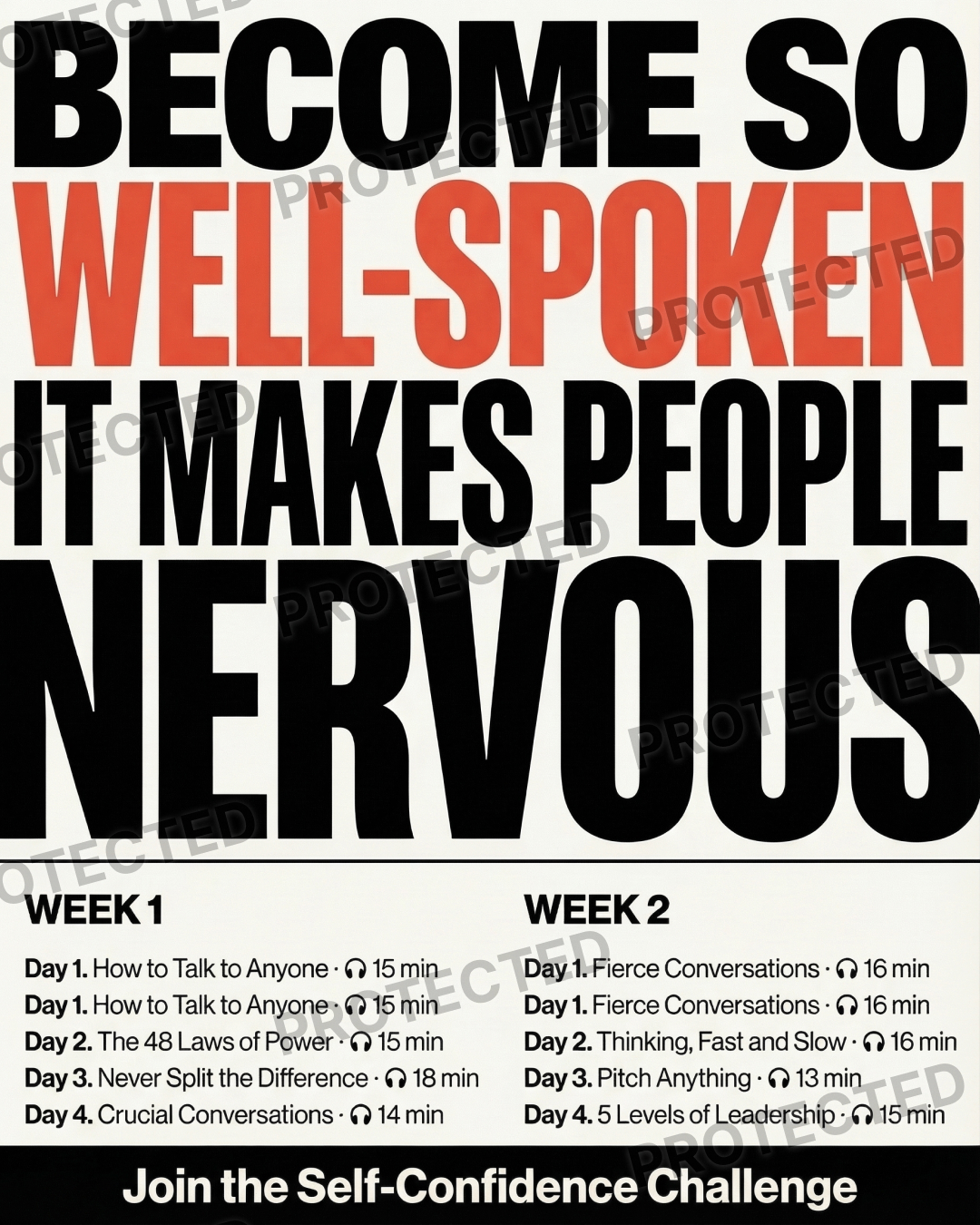
Ad angles that work for courses and info products
- Authority
- Lead with why you are the right teacher: years in the job, a relevant qualification, real work you have delivered. A bookkeeping course might run 'Taught by an accountant who runs her own practice' over a photo of the teacher at work.
- Curiosity
- Tease one specific idea from the course. A photography course might run 'The camera setting behind sharp photos of moving kids' beside a sharp photo and a blurred one. The viewer wants the answer, and the free lesson gives it.
- Identity
- Speak to who the course is for: career changers, freelancers, parents returning to work. 'For designers who want to charge by the project' filters the audience before anyone clicks.
- Problem
- Name the point where people get stuck. A spreadsheet course might run 'Your formulas work until someone adds a row' over a broken sheet, then show the course lesson that fixes it.
- Social proof
- Use real student reviews about what they learned or built, with permission. Keep income figures out of testimonials unless you can show the result is typical.
Income claims and Meta's rules for course ads
Meta's advertising standards reject misleading claims and 'get rich quick' promises, and Meta looks closely at ads for business opportunities, trading and making money online. A headline like 'Make [large sum] a month from your laptop' is the classic trigger. Describe the skill and the work involved instead, and check Meta's current standards before you launch.
Consumer law applies too. In the US, the Federal Trade Commission expects earnings claims to be backed by evidence and to reflect what typical buyers achieve, and in the UK the Advertising Standards Authority requires claims to be substantiated. Avoid copy that asserts something about the viewer's finances, such as 'Broke and sick of your job?', which also runs against Meta's rules on personal attributes.
Creative that sells a course
These habits suit most course and info product ads:
Show the teacher. A real face gives a cold viewer someone to trust, which a stock photo of a laptop cannot.
Show what the buyer gets: the lesson screen, the workbook, the templates.
Lead with a free first step. A free lesson or webinar asks less of a cold audience than a full-price course.
Name the outcome as a skill, such as 'build your first budget model', rather than as money.
Frequently asked questions
- How do I make Facebook ads for an online course?
- Name one skill or outcome, show the teacher and the course material, and offer a free first step such as a lesson or webinar. Build the ad at 4:5 for the feed and test several hooks against each other.
- Can I mention income in course ads?
- Only with care. Meta rejects unrealistic income claims, and regulators expect earnings claims to be backed by evidence and to reflect typical results. Describing the skill is safer. Check Meta's current standards if money is part of your promise.
- Can AI make ads for info products?
- Yes. An info product ad is mostly a hook, a face or product mock-up and an offer, which suits a static image ad. Mockingbird remakes proven course ads with your brand's images, colours and voice.
- Which hook types work for course ads?
- Authority, curiosity, identity, problem and social proof hooks all suit courses. Authority and curiosity tend to suit cold audiences, and social proof helps people who already know you.
- Should course ads send people to a sales page or a free lesson?
- As a rule of thumb, a free first step asks less of a cold audience and is easier to test. Send warm audiences, such as past webinar attendees, to the sales page, and test both.
Keep reading
How to write Facebook ad copy that converts
Primary text, headline and CTA: what each field is for and how to write them.
Meta ad hooks: the hook types that stop the scroll, with examples
Twelve hook types that stop the scroll, with templates you can adapt.
CPA calculator
Cost per acquisition against what you can afford to pay.